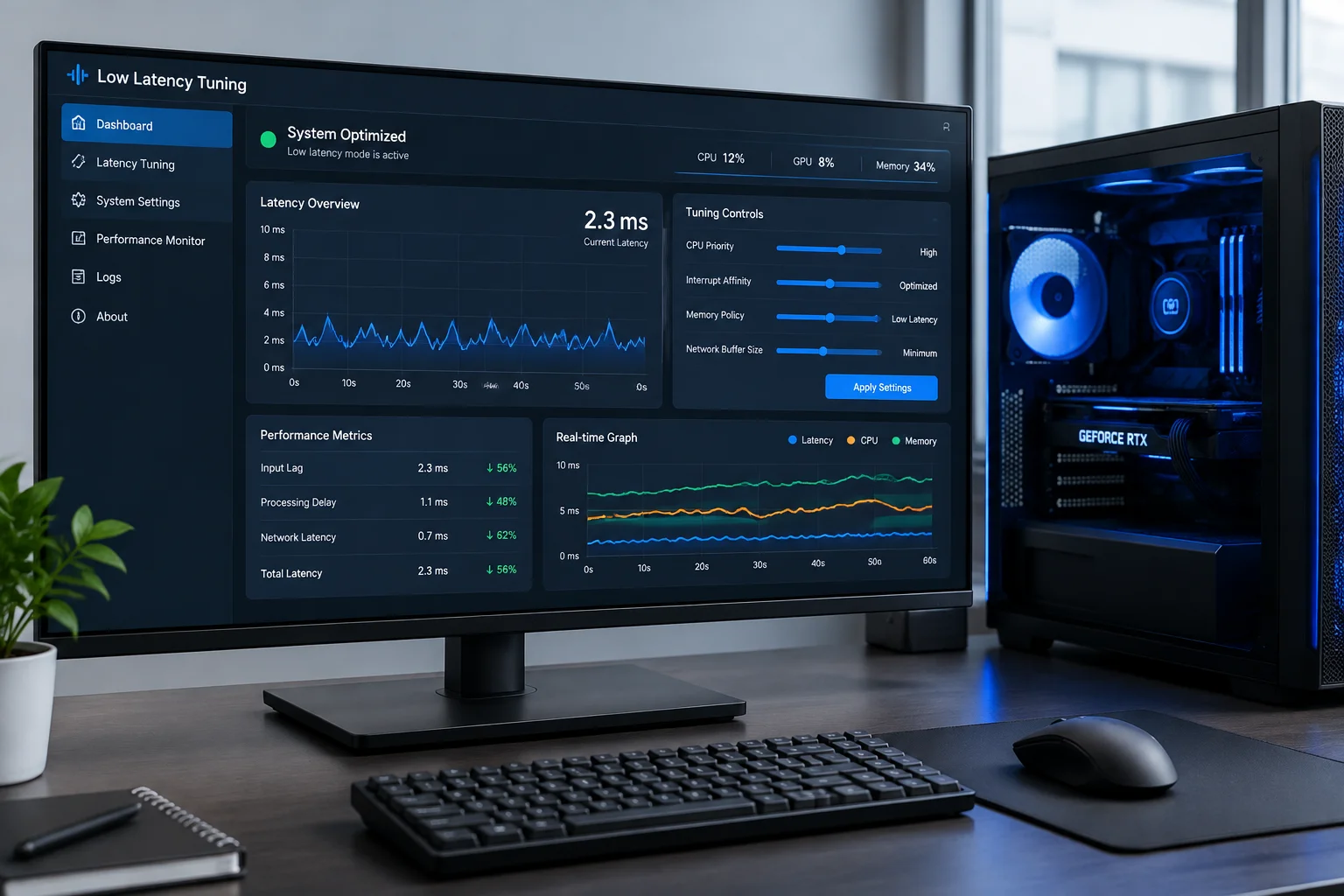
Core Architecture of the Profile
How Microsoft restructured interrupt queues and processor core energy states to guarantee deterministic dispatch.
The Windows 11 scheduler has historically prioritized overall energy efficiency, permitting core clocks to throttle down and queuing background tasks across broad time slices. While effective for battery conservation on portable hardware, this scheduling strategy created noticeable micro-stuttering in latency-critical scenarios. The expanded low-latency profile restructures this balance by establishing hard upper bounds on Deferred Procedure Call (DPC) routines and Interrupt Service Routine (ISR) processing times.
Under this updated framework, foreground application threads register priority tokens with the Multimedia Class Scheduler Service (MMCSS). Instead of competing with asynchronous storage writes or networking daemons, these prioritized processes receive dedicated execution slices on performance cores. Thread migration across distinct CPU clusters is kept minimal, keeping the L3 cache footprint warm and responsive.
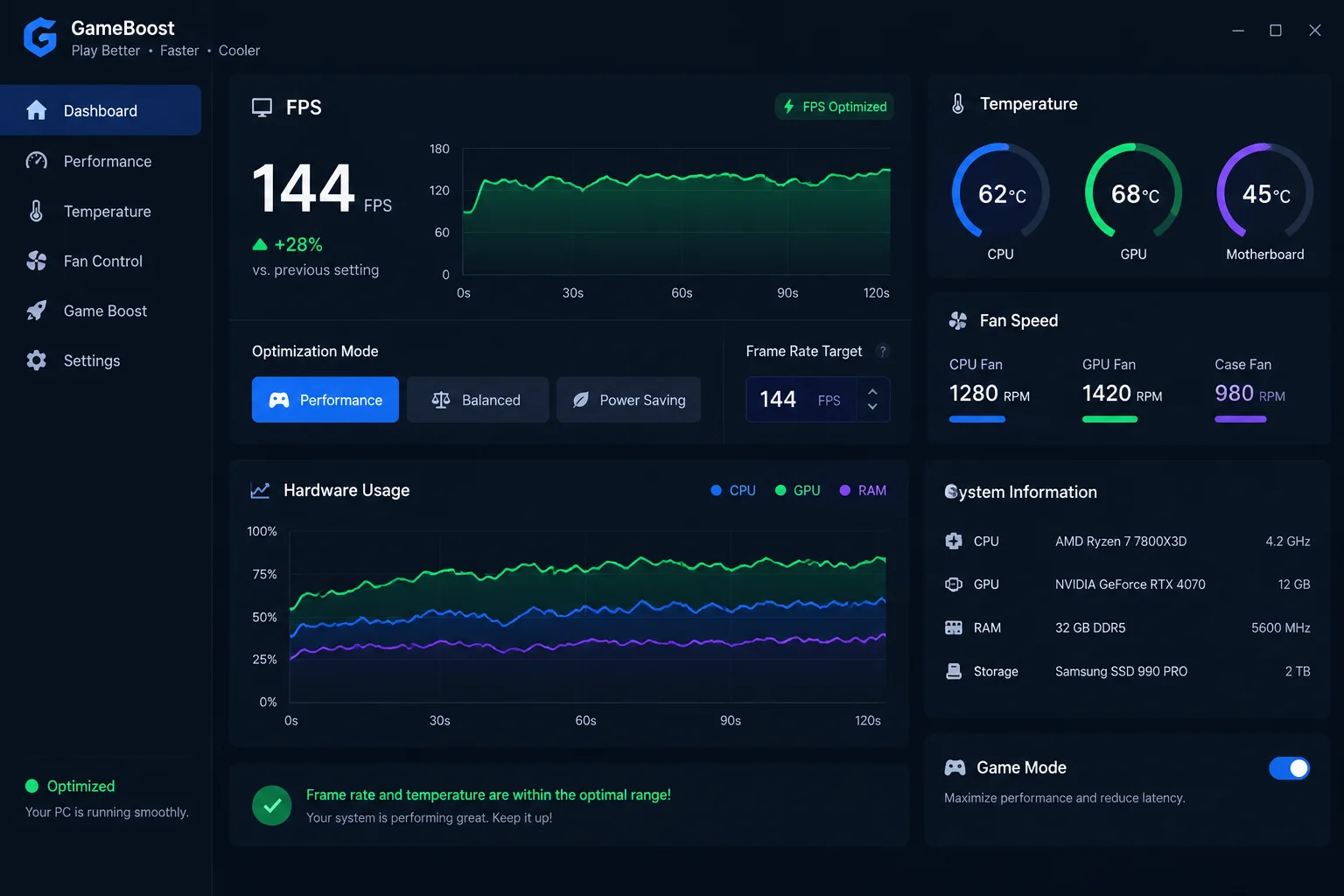
Equally critical is the profile interaction with hardware C-states. Rather than letting processor cores drop into deep sleep packages that require dozens of microseconds to resume, the profile keeps selected execution threads in shallow halt states. This maintains immediate transient responsiveness whenever high-polling peripherals or streaming pipelines signal ready states.
Receive Kernel Tuning Reports
Monthly technical breakdowns detailing OS scheduling updates, driver latency metrics, and hardware benchmark evaluations.
Your email has been added to our performance dispatch list. You will receive the next field benchmark report directly in your inbox.
Benchmarked Latency Reductions
Empirical test results measuring execution consistency under heavy background I/O operations.
Diagnostic benchmarking across 16-core and 24-core testing platforms shows measurable improvements in task determinism. With the previous baseline configuration, sudden bursts of NVMe disk traffic or background indexing triggered microsecond latency spikes that interrupted real-time audio and high-framerate rendering loops.
- Maximum DPC routine execution dropped from 1.34ms down to an average of 0.28ms during sustained system load.
- Interrupt Service Routine (ISR) variance decreased by over 60%, preventing driver stalls during heavy USB packet bursts.
- High-polling rate input devices (4000Hz and 8000Hz) maintained steady report timing without frame pacing anomalies.
These improvements reveal that modern Windows kernels can deliver workstation-grade responsiveness without requiring hazardous registry workarounds or forced third-party timer hacks. Stability remains intact while worst-case execution delays drop substantially.
Verification and System Setup
Practical guidelines for confirming low-latency profile engagement on production setups.
Activating this profile requires checking that Windows 11 is running the latest platform update with hardware-accelerated GPU scheduling enabled. In system environments managed via Group Policy, the policy configuration rests under Kernel Power Management, allowing system administrators to mandate low-latency thread assignment for designated software binaries.
Timer Resolution Guidance
Do not deploy manual 0.5ms global timer resolution tools alongside this profile. The updated Windows 11 platform clock automatically dynamically adjusts granular slice allocation based on active thread priority tokens, avoiding unnecessary CPU wakeups when idle.
Using built-in performance monitoring tools such as Windows Performance Analyzer (WPA) or LatencyMon validates whether hardware drivers honor the tighter execution budget. If legacy drivers continue stalling the DPC queue, updating OEM chipset firmware typically resolves lingering bottlenecks.
Related Optimization Analyses
Explore further technical tests, optimizer comparisons, and performance reports.
All Tuning Analyses
Gaming Tuning Utilities Update
Hardware acceleration tools tested against frame pacing and driver overhead.
Read report
Comparative Test of Free Windows 11 Optimizers
Benchmarking speed gains and cleaning depth across four popular Windows utilities.
Read report
Microsoft Official OS Performance Report
Detailed review of official telemetry data regarding system memory efficiency and I/O rates.
Read reportCommunity Feedback & Findings
Share your hardware latency traces, DPC measurements, and workstation results.
No comments yet. Be the first to leave a comment.
Diagnostic Review & Discussion