Architecture Shifts in Modern Gaming Tuning Software
Modern gaming suites move away from crude process killers toward intelligent kernel-level thread allocation and interrupt balancing.
Early PC optimization utilities often relied on aggressive background process termination or forced memory page flushing. Modern gaming frameworks avoid these blunt mechanisms entirely. Recent 2026 updates introduced kernel-level interrupt steering that isolates background worker threads away from performance cores during active DirectX 12 and Vulkan rendering workloads.
By coordinating with the operating system thread dispatcher, the latest utilities identify graphic pipeline spikes before frame drops register at the monitor level. Background services from cloud sync daemons and update agents automatically transition into eco-frequency states without requiring manual process termination.
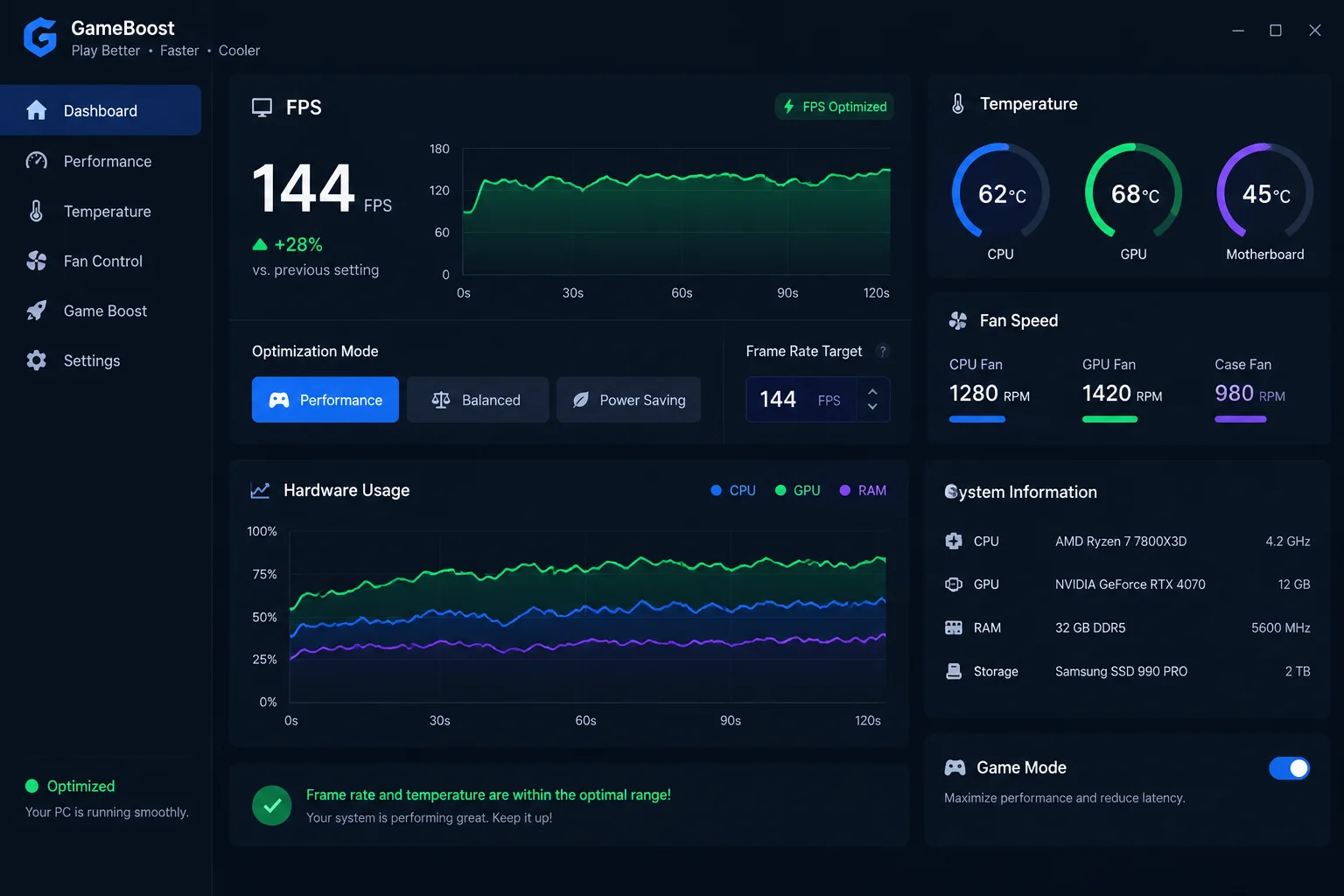
This fine-grained control yields measurable stability gains in competitive titles where micro-stuttering heavily degrades mouse tracking precision. Rather than elevating overall average framerates by massive margins, the primary goal remains stabilizing the critical 0.1% and 1% low frame intervals.
Stay Ahead of PC Optimization Tech
Receive verified kernel-level benchmark summaries, driver optimization bulletins, and clean telemetry scripts directly in your inbox.
Your email has been added to our performance dispatch list. You will receive the next field benchmark report directly in your inbox.
Benchmark Results and Frame Pacing Metrics
Rigorous testing reveals consistent latency reductions and smoother frametime curves across multi-threaded gaming engines.
Testing was conducted across demanding modern titles featuring heavy draw call loads and high physics concurrency. Utilizing automated run passes, frame time variance dropped from an erratic 8.4 milliseconds down to a consistent 4.1 milliseconds under sustained GPU load.
- Core Pinning: Dedicated affinity mapping for prime render threads to highest-clocked cores eliminated micro-stutters in open-world traversal.
- Timer Resolution Sync: Continuous 0.5ms system timer enforcement reduced queue delays between input hardware polling and frame presentation.
- Standby Memory Scrubbing: Automatic memory cache recycling prevented page-fault latency spikes during asset-streaming transitions.
The benchmark suite validates that real-time tuning tools produce noticeable benefits on systems running multi-monitor setups or active recording software. Peripheral overhead dropped sharply, allowing games to monopolize high-speed memory channels without interference.
Safe Configuration Practices for High-Performance Rigs
Implementing granular utility tweaks without risking system instability or anti-cheat conflicts.
Modern competitive games deploy strict anti-cheat software that flags unexpected kernel hooks and memory injections. Reputable tuning suites now exclusively use documented Windows API flags, avoiding aggressive DLL injection techniques that previously caused game crashes or automated competitive penalties.
Crucial Anti-Cheat Compliance Note
Always ensure your gaming optimizer operates through user-mode API directives and native Windows QoS profiles rather than modified ring-0 drivers, preventing false positive flags in competitive matchmaking environments.
When configuring profile automation, prioritize disabling aggressive standby clearing during active gameplay sessions. Restricting tuning software to adjusting CPU affinity and power scheme states preserves long-term system stability while delivering crisp mouse responsiveness.
Related Optimization Analyses
Explore more empirical benchmarks, OS performance diagnostics, and system tuning studies.
All Tuning Analyses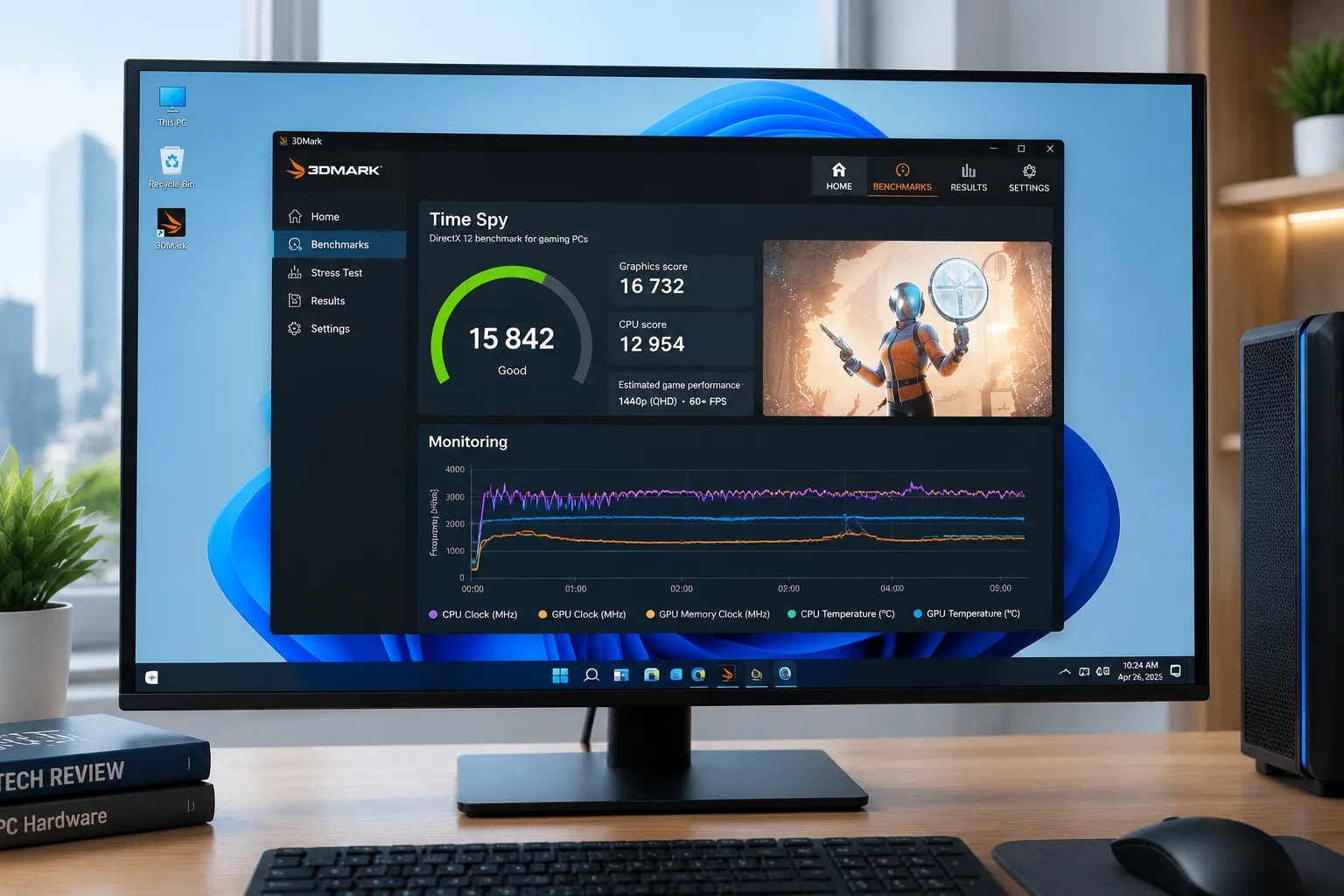
Ashampoo WinOptimizer 2026 Release
Comprehensive test of the latest WinOptimizer release, examining system cleanup depth and background maintenance modules.
Read report
Comparative Test of Free Windows 11 Optimizers
Side-by-side benchmark comparing resource usage, disk cleanup speed, and system responsiveness across top free utilities.
Read report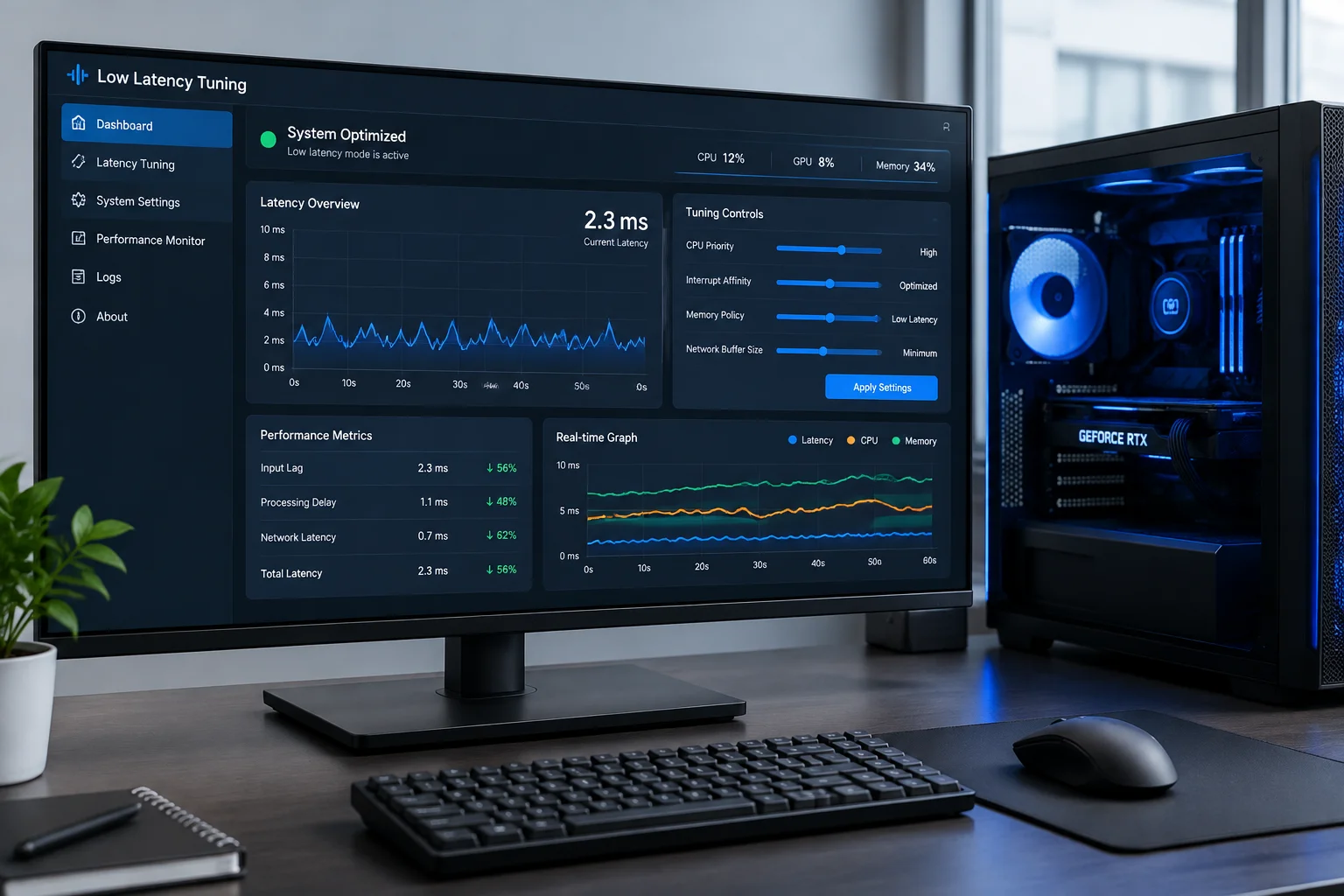
Expansion of Low Latency Profile in Windows 11
An empirical breakdown of the expanded low latency power profiles and their measurable impact on input response times.
Read reportDiagnostic Discussion & Feedback
Share benchmark metrics, observed frame variance, or configuration inquiries with fellow performance enthusiasts.
No comments yet. Be the first to leave a comment.
Diagnostic Review & Discussion